


Signature Technology Summit | New York | Spring Edition
As we move from AI experimentation to everyday use, the constraints are now practical: power, data quality, security, sovereignty and proof of value. This summit brings technology leaders together to compare what is working, what is not, and why. Through candid discussion, peers will test assumptions, weigh trade-offs and apply critical thinking to decisions made in a period of rapid change. Attendees leave with clearer priorities for scaling the investments already in place.
Event agenda
Day 1
Day 2
Speakers
Deepak Sachdeva
CIO, United States Air ForceFern Johnson
CTO & Vice President, Infrastructure & Operations, PepsiCoAaron Gette
CIO, EOS FitnessAmy Chaney
COO - Technology & Cybersecurity, CitiJon Santee
Vice President Information Technology, Atlanta HawksAmit Dingegare
CTIO, PrgxTashekka Fleming
Deputy Director, Information Security, State Court of Fulton CountyJamie Solomon
CTO North America & Group Head of Data, FNZAttendees
See attendees
Meet with fellow industry leaders and solve today’s greatest business challenges.
Workshop's & Content Sessions
Enterprise technology is entering a defining new chapter. As AI moves from experimentation to industrialisation, organisations face fundamental shifts in infrastructure, security, data, sovereignty and the future of work.
The Spring Technology Chapter 2027 brings together senior thought leaders to explore the trends, challenges and strategic decisions shaping the future of enterprise technology.
Through keynotes, executive debates and unique customer case studies, the summit will examine how leaders can turn technological change into measurable business value, build resilient enterprises and scale the innovations that matter.
Because the future isn't just about leading change. It's about making it count.
Beyond the Cloud: Rethinking the Architecture of Enterprise Infrastructure
Synopsis
The traditional cloud-first approach is evolving as AI workloads, sovereignty, energy constraints and infrastructure economics challenge established assumptions. Enterprises are increasingly considering a combination of public cloud, private cloud, colocation, edge and specialist AI environments.
This session examines how technology leaders can rethink infrastructure strategy, balancing flexibility, performance, resilience and cost while building the foundations for future enterprise growth.
3 key takeaways
- Understanding why the future of enterprise infrastructure is increasingly distributed and workload-specific.
- Evaluating the strategic trade-offs between hyperscalers, private infrastructure and emerging specialist providers.
- Building an infrastructure strategy that supports scalability, resilience and long-term commercial value.
The Power Problem: Is Energy Becoming the Biggest Constraint on Digital Transformation?
The expansion of AI is creating unprecedented demand for compute capacity, electricity and cooling. Energy availability is increasingly influencing where data centres can operate, how infrastructure is designed and how much enterprise AI will ultimately cost.
This session explores the collision between technology ambition and physical infrastructure reality, examining why energy strategy is becoming a board-level consideration and how organisations can scale digital capabilities sustainably.
3 key takeaways
- Understanding how energy availability is influencing enterprise AI and infrastructure strategies.
- Exploring the implications of power constraints, data-centre expansion and geographical dependencies.
- Recognising energy efficiency and sustainability as essential components of long-term technology investment.
Who Is Accountable When AI Makes the Decisions?
Synopsis
As AI agents increasingly execute tasks and interact with enterprise systems, organisations must rethink accountability, governance and operational control.
This session explores the difficult leadership questions surrounding autonomous AI, including who owns the decisions, where human oversight is essential and how organisations can scale autonomy without compromising trust.
3 key takeaways
- Defining accountability for decisions and actions undertaken by autonomous AI systems.
- Understanding the implications of AI autonomy for corporate governance and enterprise risk.
- Establishing appropriate boundaries between human and machine decision-making.
How Much Digital Independence Does Your Organisation Need?
Synopsis
Digital sovereignty is becoming an increasingly important consideration as geopolitical uncertainty and regulatory requirements reshape technology strategies.
But greater control can introduce cost and complexity. This session explores how organisations can determine where sovereignty matters most and how to balance digital independence with global scalability and innovation.
3 key takeaways
- Determining which enterprise data, systems and workloads require greater jurisdictional control.
- Balancing sovereignty with global technology innovation and commercial flexibility.
- Managing geopolitical and supplier concentration risks within enterprise technology strategies.
From Hype to Measurable Impact
Synopsis
AI has dominated technology investment and boardroom conversations, but are organisations genuinely transforming their businesses or simply accumulating new technology capabilities?
As enterprises move from experimentation to industrialisation, the focus is shifting towards measurable returns, enterprise-wide adoption and sustainable business impact. This panel will explore what is working, what is not and what it really takes to scale AI successfully.
3 key takeaways
- Separating genuine enterprise transformation from AI experimentation and hype.
- Understanding the biggest barriers to scaling AI across complex organisations.
- Identifying what successful, measurable AI adoption should look like by the end of 2027.
The Cloud Question Revisited: Is the Hyperscaler Era Entering a New Chapter?
Synopsis
AI infrastructure requirements, sovereignty concerns and rising consumption costs are prompting enterprises to reconsider their traditional cloud strategies.
Is the future still predominantly public cloud, or are organisations moving towards a more distributed infrastructure model? This panel will explore the changing cloud landscape and how leaders can make smarter decisions about where workloads should reside.
3 key takeaways
- Understanding the forces reshaping enterprise cloud strategies and the hyperscaler model.
- Exploring the commercial and architectural case for hybrid, multi-cloud and specialist infrastructure.
- Identifying how organisations can balance control, flexibility, cost and innovation.
The Technology Value Equation: Are We Getting Enough Return on Our IT Investment?
Synopsis
Technology budgets continue to grow, yet many organisations struggle to demonstrate the full business value of their investment. With increasing pressure on cost optimisation, operational efficiency and financial accountability, CIOs must rethink how technology spending is prioritised, measured and justified.
This session explores how technology leaders can move beyond managing IT expenditure towards maximising enterprise value, challenging legacy spending models and ensuring investment translates into measurable business outcomes.
3 key takeaways
How to demonstrate the commercial value and business contribution of technology investment.
Identifying opportunities to rationalise technology estates, eliminate duplication and reduce unnecessary expenditure.
Building stronger partnerships between technology and finance leadership to prioritise strategic investment.
The Technical Debt Dilemma: How Much Legacy Can the Enterprise Afford?
Synopsis
Legacy technology and accumulated technical debt remain significant barriers to enterprise transformation. Many organisations are operating complex estates built over decades, making it increasingly difficult to innovate, integrate new capabilities and respond to changing business demands.
This session explores the strategic choices facing technology leaders: what should be modernised, what should be replaced and what can realistically remain? It will examine how to balance transformation ambitions with operational continuity and investment constraints.
3 key takeaways
Understanding the commercial and operational implications of accumulated technical debt.
Determining how to prioritise legacy modernisation against competing technology investment demands.
Building a sustainable approach to technology transformation without compromising business continuity.
Our Previous Speakers

Deepak Sachdeva
CIO, United States Air Force
Fern Johnson
CTO & Vice President, Infrastructure & Operations, PepsiCo
Aaron Gette
CIO, EOS Fitness
Amy Chaney
COO - Technology & Cybersecurity, Citi
Jon Santee
Vice President Information Technology, Atlanta Hawks
Amit Dingegare
CTIO, Prgx
Tashekka Fleming
Deputy Director, Information Security, State Court of Fulton County
Jamie Solomon
CTO North America & Group Head of Data, FNZWhy attend?
Thoughtful Connections. Meaningful Impact.
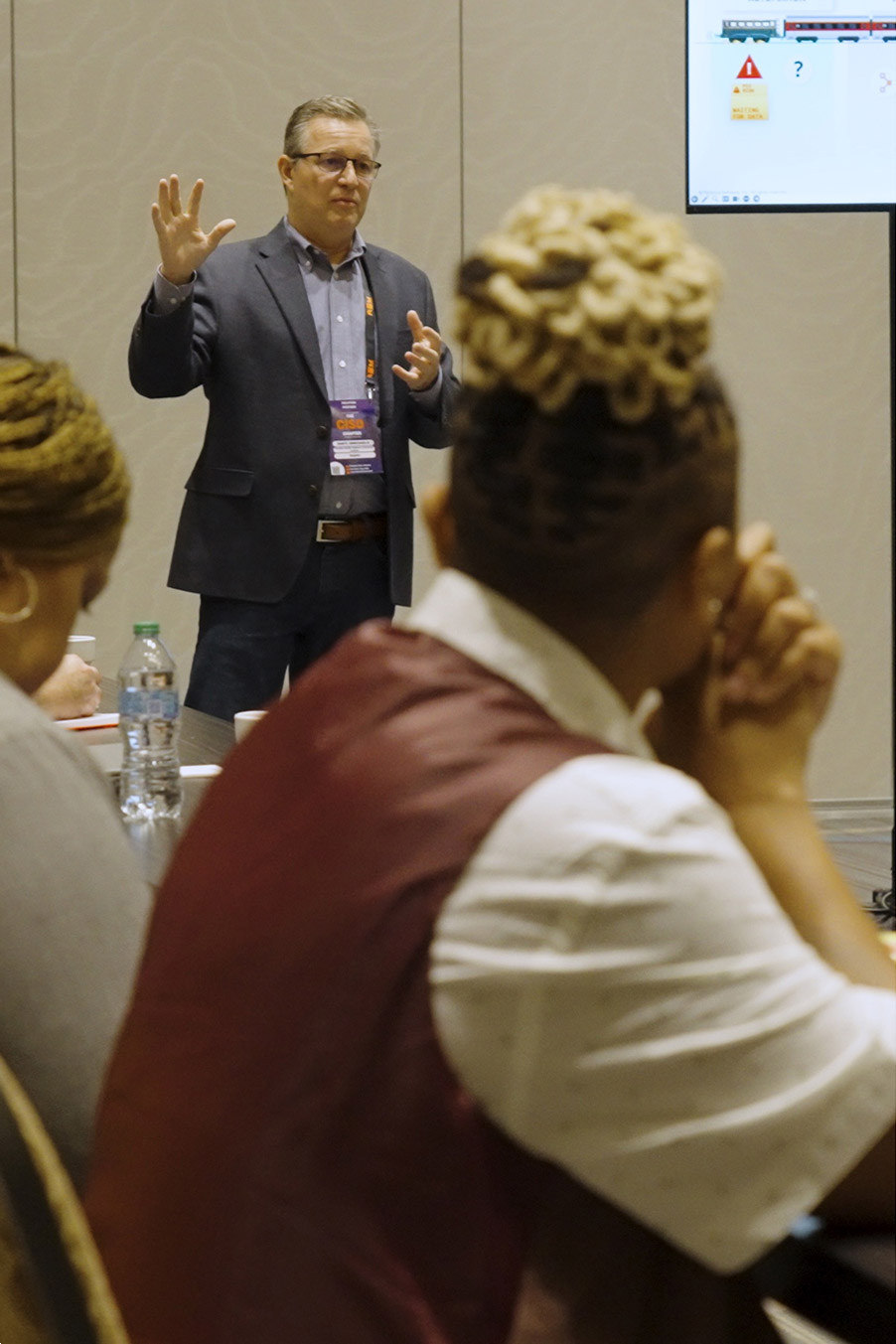
Curated
Discovery
Intentional conversations that surface real opportunities.

Meaningful Connections
The right people, in the right room, at the right time.
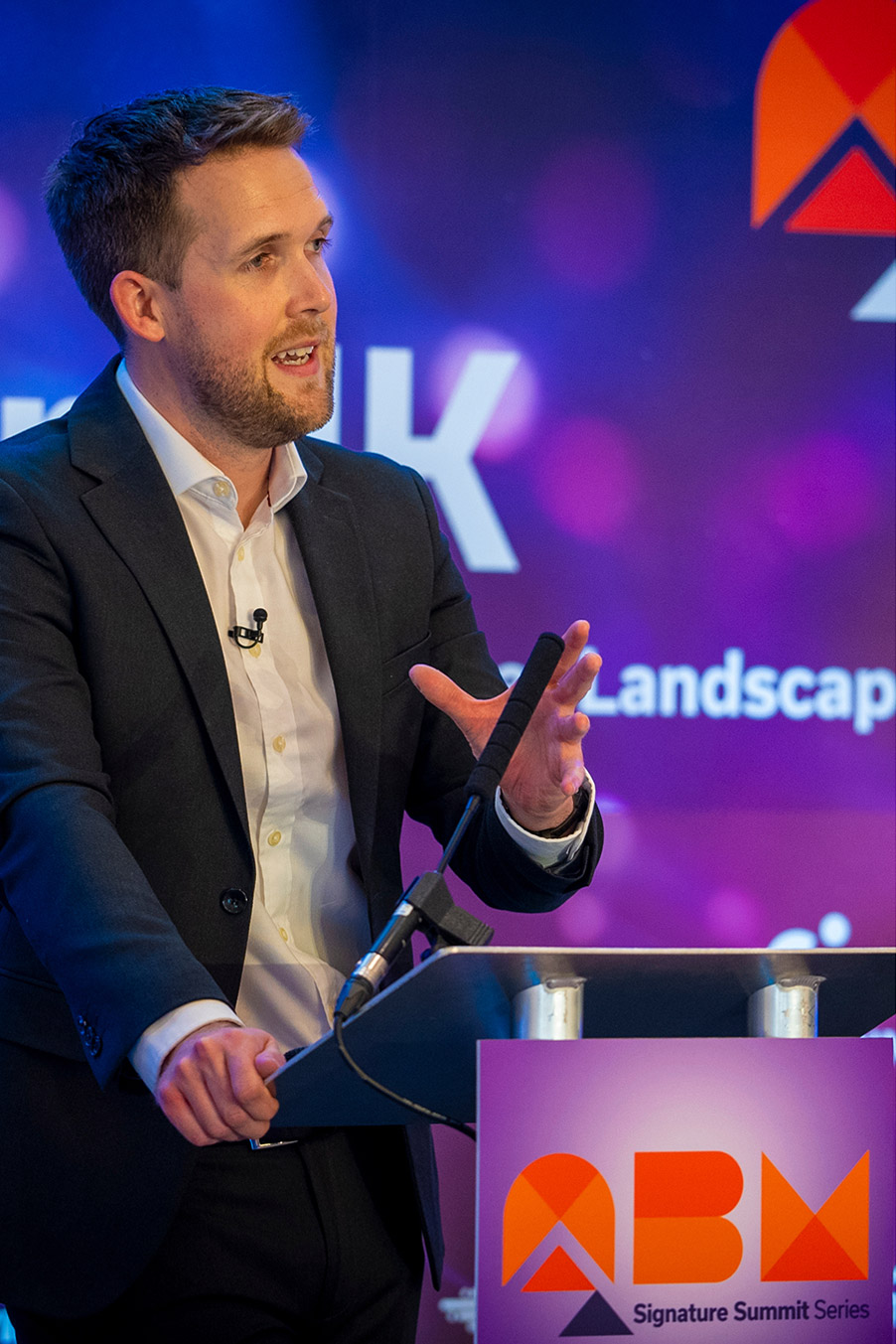
Applied
Insight
Perspective grounded in real execution.